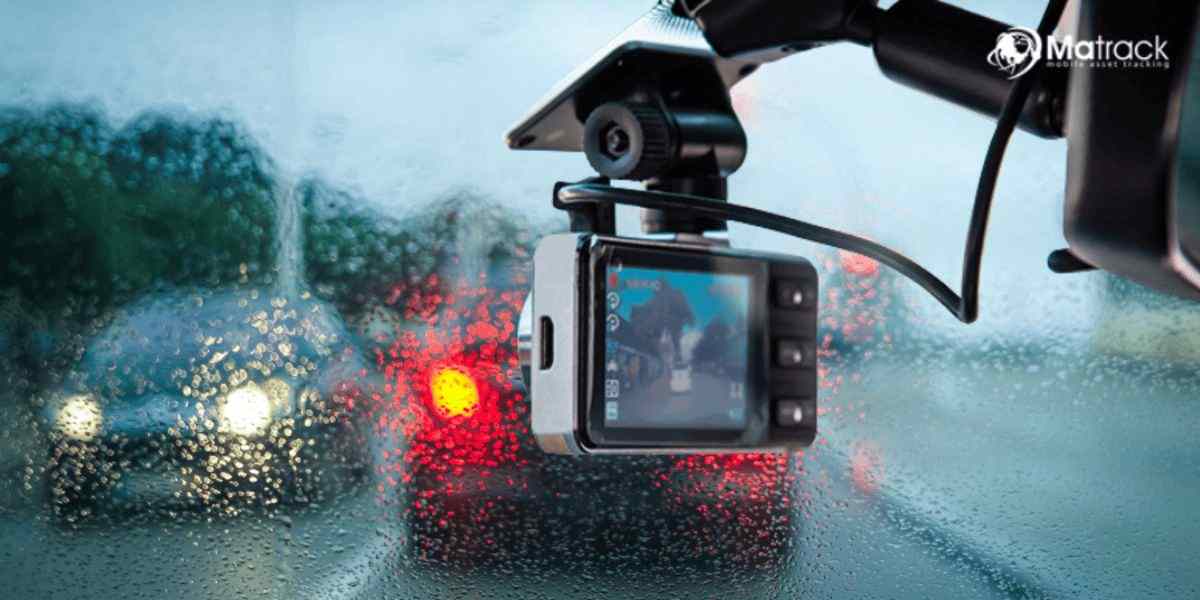
Dash cam market in 2026 has moved far beyond a simple accessory and now plays a key role in safety and security. Many drivers now treat dash cams as a necessary part of vehicle protection rather than an optional upgrade.
Basic models still exist at lower price points, but expectations have shifted toward higher resolution and smarter features. Clear video quality and intelligent detection now define value in modern dash cam systems.
Understanding cost structure helps buyers choose a system that fits both budget and usage needs. Right investment supports better safety, monitoring, and long-term reliability.
What Affects Dash Cam Cost
Dash cam pricing depends on several important factors that influence performance and usability. Key elements include resolution, number of cameras, and connectivity features such as GPS or cloud access.
Higher resolution, such as 4K increases clarity but also raises cost due to improved sensors and processing capability. Multi-channel systems with front, rear, or interior cameras also add to total pricing.
Connectivity features such as WiFi, LTE, and cloud storage further impact cost. Systems with advanced features provide more control but require higher investment.
Price Brackets for Dash Cams in 2026
Each price range offers different levels of performance and features. Budget options focus on basic recording, while premium and professional systems provide advanced monitoring and automation.
| Category | Price Range | Target Resolution | Key Features | Best For |
| Budget | $60 – $110 | 1080p – 2K | G-Sensor, Loop Recording, WiFi | Casual drivers & secondary cars |
| Mid-Range | $120 – $240 | 2K – 4K | Sony STARVIS 2, GPS, WiFi 6 | Daily commuters & night driving |
| Premium | $250 – $450 | Dual 4K | AI Incident Alerts, Cloud, Hardwire | Rideshare drivers & theft protection |
| Professional | $500+ | Triple/Quad 4K | LTE/5G, SSD Support, 360° View | Fleet owners & luxury vehicles |
Hidden Costs to Consider
Initial device cost does not represent total investment. Additional components and services play an important role in overall setup, planning for such costs ensures better performance and avoids unexpected expenses later.
- High-Endurance Storage Cards: Larger storage supports continuous recording, especially for high-resolution video
- Installation Costs: Professional setup ensures clean wiring and stable performance
- Cloud Subscriptions: Monthly plans enable live access and remote alerts
Latest Technology Trends
Modern dash cams include AI-based incident detection that helps identify real events instead of minor disturbances. Such a feature reduces time spent reviewing unnecessary footage.
Advanced sensor technology such as STARVIS 2 improves night recording and delivers clearer visibility in low-light conditions. High-quality sensors have become a key factor in pricing.
Use of supercapacitors instead traditional batteries improves durability, especially in hot climates. Such technology increases lifespan and reliability of devices.
Best Dash Cam Options Based on Usage
Different use cases require different levels features and investment. Matching system capabilities with driving needs ensures better value; proper selection improves both safety and convenience across daily use.
- Basic Everyday Use – Compact models with 2K resolution and simple setup suit daily driving needs
- Rideshare and Passenger Use – Dual or triple camera systems with interior recording improve safety and accountability
- Parking and Security Needs – Advanced systems with motion detection and parking monitoring support vehicle protection
How to Choose Right Dash Cam Budget
Budget planning should reflect driving habits, usage frequency, and risk exposure. Cost alone should not drive decision-making, as performance and reliability impact long-term value. Clear understanding needs helps avoid overspending or underinvesting.
Understand Driving Frequency
Driving patterns influence budget allocation. Occasional usage may not justify premium features. Daily or long-distance driving demands stronger performance and consistent recording quality.
Match Features with Use Case
Basic recording suits minimal requirements such as short city commutes. Advanced features like night vision, parking mode, GPS tracking, and dual cameras align with complex driving conditions.
Focus on Long-Term Value
Lower-cost devices often compromise on build quality and recording stability. Frequent replacements increase overall expense and reduce reliability.
Balance Cost and Reliability
Budget decisions should maintain balance between affordability and performance. Extremely low-cost options often fail under varying conditions.
Plan for Additional Costs
Total cost includes more than device price. Memory cards, installation, and maintenance add to overall expense.
Final Thoughts
Dash cam cost in 2026 reflects advancements in technology and growing demand for safety features. Modern systems provide more than recording, offering intelligent monitoring and improved control.
Understanding price ranges, hidden costs, and latest trends helps buyers make informed decisions. Proper planning ensures better return on investment.