Key Takeaways
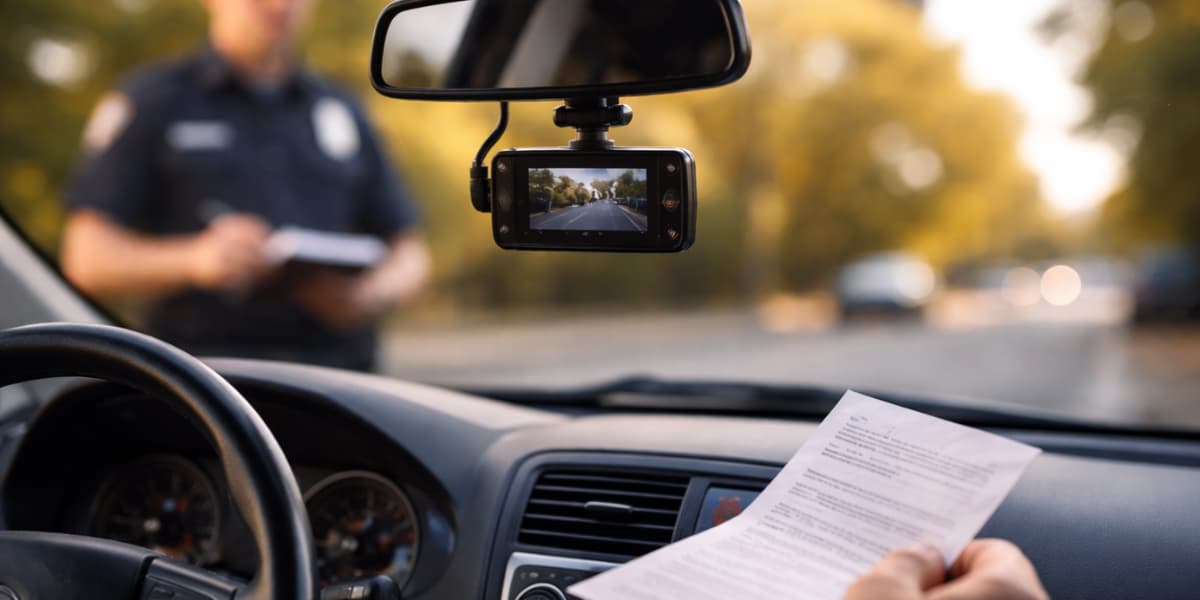
- Dash cams are generally legal, but compliance usually depends on three things: where the camera is mounted, whether it records audio, and how local privacy rules apply.
- Video recording on public roads is often treated more leniently than in-cabin audio recording, since audio can trigger one-party or all-party consent laws depending on the jurisdiction.
- Legal trouble usually begins when a dash cam blocks the driver’s view, interferes with safety equipment, or captures conversations without the level of consent required by law.
- Footage from a dash cam can support court cases and insurance claims, but only when the recording was captured lawfully and preserved in a reliable form.
- Across states and countries, dash cam compliance works less like a single rule and more like a combination of privacy law, safety law, and evidence law.
What Do Dash Cam Laws Actually Regulate?
Dash cam laws rarely exist as one isolated legal category. In most situations, they fall under a mix of recording consent rules, privacy expectations, vehicle equipment regulations, and evidentiary standards.
Because of that, the same device may be lawful in one setup and problematic in another. Problems usually arise when installation blocks visibility, audio is recorded without proper consent, or footage is altered after an incident.
Viewed broadly, dash cam legality depends less on ownership and more on usage. Once that framework is clear, the rest of the topic becomes much easier to follow.
Dash Cam Laws By State In The U.S.
Dash cams are legal across all 50 U.S. states, but the rules around how you use them can vary. In most cases, legality depends on three key factors: where the camera is mounted, whether it records audio, and how state privacy laws apply.
To make this easier to understand, each state below is broken into four simple categories: usage, mounting rules, audio consent, and key notes. Where laws are unclear or nuanced, we’ve used safer interpretations to avoid overgeneralization.
Alabama
Usage: Allowed
Mounting: Must not obstruct the driver’s view; dashboard placement is safest
Audio Consent: One-party consent
Notes: Video recording in public is generally allowed, but avoid recording private conversations without awareness.
Alaska
Usage: Allowed
Mounting: Must not obstruct visibility; smaller devices preferred
Audio Consent: One-party consent
Notes: Keep placement minimal and out of the driver’s direct line of sight.
Arizona
Usage: Allowed
Mounting: Must not obstruct the driver’s view
Audio Consent: One-party consent
Notes: Improper placement can result in fines or liability issues.
Arkansas
Usage: Allowed
Mounting: Should not obstruct the driver’s view; behind the mirror is safest
Audio Consent: One-party consent
Notes: Focus on keeping visibility clear.
California
Usage: Allowed
Mounting: Limited windshield zones permitted with size restrictions
Audio Consent: All-party consent
Notes: Inform passengers if recording audio; one of the strictest states.
Colorado
Usage: Allowed
Mounting: Must not obstruct view or cause glare
Audio Consent: One-party consent
Notes: Avoid reflective or distracting placement.
Connecticut
Usage: Allowed
Mounting: Must not obstruct the windshield
Audio Consent: Mixed (safer to treat as all-party)
Notes: Audio laws are complex; notifying passengers is recommended.
Delaware
Usage: Allowed
Mounting: Must not obstruct visibility
Audio Consent: Legally unclear (safer to treat as all-party)
Notes: Best practice is to avoid recording audio without clear consent.
Florida
Usage: Allowed
Mounting: Must not block windshield view
Audio Consent: All-party consent
Notes: Always inform passengers if audio recording is active.
Georgia
Usage: Allowed
Mounting: Must not obstruct the driver’s view
Audio Consent: One-party consent
Notes: Placement issues are more common than recording violations.
Hawaii
Usage: Allowed
Mounting: Small, non-obstructive windshield placement allowed
Audio Consent: One-party consent
Notes: Must not interfere with airbags or safety features.
Idaho
Usage: Allowed
Mounting: Should stay out of the driver’s line of sight
Audio Consent: One-party consent
Notes: Behind-the-mirror placement is typically safest.
Illinois
Usage: Allowed
Mounting: Must not obstruct driver visibility
Audio Consent: All-party consent
Notes: Recording private conversations without consent can be illegal.
Indiana
Usage: Allowed
Mounting: Must not obstruct the driver’s view
Audio Consent: One-party consent (for electronic communication; use caution in person)
Notes: Keep placement small and unobtrusive.
Iowa
Usage: Allowed
Mounting: Must not obstruct visibility
Audio Consent: One-party consent
Notes: Standard visibility and safety rules apply.
Kansas
Usage: Allowed
Mounting: Must not significantly hinder vision
Audio Consent: One-party consent
Notes: Focus on safe placement.
Kentucky
Usage: Allowed
Mounting: No specific rule, but must not obstruct view
Audio Consent: One-party consent
Notes: General safety rules apply.
Louisiana
Usage: Allowed
Mounting: Must maintain clear road visibility
Audio Consent: One-party consent
Notes: Informing passengers is recommended.
Maine
Usage: Allowed
Mounting: Must not obstruct the driver’s view
Audio Consent: One-party consent
Notes: Flexible placement as long as visibility is maintained.
Maryland
Usage: Allowed
Mounting: Must not obstruct visibility; upper windshield placement is commonly used
Audio Consent: All-party consent
Notes: Recording private conversations without consent can lead to penalties.
Massachusetts
Usage: Allowed
Mounting: Dashboard placement is safest
Audio Consent: All-party consent
Notes: Secret audio recording is strictly prohibited.
Michigan
Usage: Allowed
Mounting: Must not interfere with airbags or visibility
Audio Consent: Legally nuanced (use caution)
Notes: Safer to notify all occupants before recording audio.
Minnesota
Usage: Allowed
Mounting: Around the rearview mirror is preferred
Audio Consent: One-party consent
Notes: Placement should not obstruct the driver’s view.
Mississippi
Usage: Allowed
Mounting: Must not obstruct visibility
Audio Consent: One-party consent
Notes: Standard compliance rules apply.
Missouri
Usage: Allowed
Mounting: Must not obstruct the driver’s view
Audio Consent: One-party consent
Notes: No specific dash cam law, but general rules apply.
Montana
Usage: Allowed
Mounting: Must not obstruct visibility
Audio Consent: Requires awareness of all parties
Notes: Hidden recording can create legal risk.
Nebraska
Usage: Allowed
Mounting: Must not obstruct visibility
Audio Consent: One-party consent
Notes: Dashboard placement is generally safer.
Nevada
Usage: Allowed
Mounting: Must not obstruct the driver’s view
Audio Consent: Mixed (use caution)
Notes: Audio rules vary depending on context.
New Hampshire
Usage: Allowed
Mounting: Must not obstruct visibility
Audio Consent: All-party consent
Notes: Dashboard placement is generally safer.
New Jersey
Usage: Allowed
Mounting: Must not obstruct the driver’s view
Audio Consent: One-party consent
Notes: Informing passengers is best practice.
New Mexico
Usage: Allowed
Mounting: Must not interfere with visibility
Audio Consent: Generally treated as one-party (use caution)
Notes: Laws are less explicit for in-person conversations.
New York
Usage: Allowed
Mounting: Must not obstruct view or airbags
Audio Consent: One-party consent
Notes: Widely used for insurance and accident evidence.
North Carolina
Usage: Allowed
Mounting: Must not obstruct visibility
Audio Consent: One-party consent
Notes: No specific dash cam law, but general rules apply.
North Dakota
Usage: Allowed
Mounting: Must not obstruct visibility
Audio Consent: One-party consent
Notes: Dashboard placement is safer.
Ohio
Usage: Allowed
Mounting: Must not obstruct the driver’s view
Audio Consent: One-party consent
Notes: Informing passengers is recommended.
Oklahoma
Usage: Allowed
Mounting: Must not obstruct visibility
Audio Consent: One-party consent
Notes: Avoid interfering with airbags.
Oregon
Usage: Allowed
Mounting: Must not obstruct visibility
Audio Consent: Generally treated as all-party (context-dependent)
Notes: Audio laws are more complex; use caution.
Pennsylvania
Usage: Allowed
Mounting: Must not obstruct clear view of the road
Audio Consent: All-party consent
Notes: One of the stricter states for audio recording.
Rhode Island
Usage: Allowed
Mounting: Must not obstruct the driver’s view
Audio Consent: One-party consent
Notes: Corrected from common misinformation online.
South Carolina
Usage: Allowed
Mounting: Must not obstruct visibility
Audio Consent: One-party consent
Notes: Dashboard placement is generally safer.
South Dakota
Usage: Allowed
Mounting: Must not obstruct visibility
Audio Consent: One-party consent
Notes: Avoid windshield obstruction.
Tennessee
Usage: Allowed
Mounting: Must not obstruct the driver’s view
Audio Consent: One-party consent
Notes: No strict dash cam law; general rules apply.
Texas
Usage: Allowed
Mounting: Must not obstruct visibility or airbags
Audio Consent: One-party consent
Notes: Flexible but visibility rules still apply.
Utah
Usage: Allowed
Mounting: Limited windshield zones allowed
Audio Consent: One-party consent
Notes: Placement must stay within size limits.
Vermont
Usage: Allowed
Mounting: Limited corner windshield placement allowed
Audio Consent: One-party consent
Notes: Must follow size guidelines.
Virginia
Usage: Allowed
Mounting: Must not obstruct visibility
Audio Consent: One-party consent
Notes: Avoid distracting screen placement.
Washington
Usage: Allowed
Mounting: Must not obstruct the driver’s view
Audio Consent: All-party consent
Notes: Always inform passengers before recording audio.
West Virginia
Usage: Allowed
Mounting: Must not obstruct visibility
Audio Consent: One-party consent
Notes: Avoid creating blind spots.
Wisconsin
Usage: Allowed
Mounting: Must not obstruct the driver’s view
Audio Consent: One-party consent
Notes: Behind-the-mirror placement is common.
Wyoming
Usage: Allowed
Mounting: Must not obstruct visibility
Audio Consent: One-party consent
Notes: Standard rules apply.
Are Dash Cams Legal?
For most drivers, the answer is yes. Dash cams are generally legal to use, provided they are installed and operated in ways that do not violate placement, privacy, or consent rules.
Ownership alone is rarely the legal problem. Greater risk usually comes from the details, especially obstructive windshield placement, unlawful audio capture, or misuse of recorded footage.
A more accurate answer, then, is not simply “yes” or “no.” They are broadly allowed, but legality depends on how the device records and where it is placed.
When Does a Dash Cam Become Illegal?
Legal issues usually begin when the use of the camera violates another rule. Common examples include the following:
- Recording in-cabin audio without the level of consent required in that jurisdiction.
- Mounting the camera where it obstructs the driver’s view through the windshield.
- Installing it where airbags or other safety systems may be affected.
- Recording passengers without proper notice in settings where privacy laws apply.
- Editing, deleting, or selectively preserving footage in ways that reduce evidentiary value.
From a legal standpoint, dash cam compliance is mainly a usage issue. Drivers who disable risky features, mount the unit safely, and preserve footage properly usually stand on much firmer ground.
Video Recording vs Audio Recording: What Is the Legal Difference?
One of the most important legal distinctions involves the difference between video and audio recording. Forward-facing road video is often easier to justify, while in-cabin audio creates much greater legal exposure because consent laws may apply to recorded conversations.
| Recording type | Usual legal risk | Why it matters |
| Forward-facing road video | Lower | Public-road recording often raises fewer privacy concerns |
| In-cabin audio | Higher | Consent rules may require one party or all parties to agree |
| Interior cabin video | Moderate | Passengers may still raise notice or privacy issues |
| Parking-mode recording | Context-dependent | Private-property and surveillance concerns may apply |
Across the U.S., some jurisdictions follow one-party consent rules, while others require all recorded parties to consent to audio capture. That difference is exactly why audio features create more legal uncertainty than standard road-facing video.
For practical compliance, microphones deserve more caution than cameras. Reviewing local consent law before enabling audio is one of the safest steps a driver can take.
Where Can You Mount a Dash Cam Legally?
Dash cam laws generally focus on one main rule: the device must not block the driver’s view. Legal placement depends on state or local rules, but visibility and safety stay at the center of most regulations.
Visibility Rules
Most laws do not ban dash cams completely, but they do restrict where the device can be placed on the windshield. In many cases, approved placement areas include limited windshield zones, the area behind the rearview mirror, or the dashboard.
Different states may apply different size limits, placement rules, or visibility standards. Checking local regulations is important before mounting a dash cam in any fixed position.
Safe Mounting Tips
- Keep the dash cam out of the driver’s direct line of sight.
- Use the area behind the rearview mirror when local rules allow it.
- Choose dashboard placement if windshield rules are stricter in your state.
- Make sure the device does not block airbags, sensors, or other safety equipment.
- Avoid mounting positions that interfere with safe driving or clear windshield visibility.
Why Placement Matters
A dash cam can still create legal problems if it is mounted in an unsafe or obstructive location. Proper placement helps you stay compliant while also making sure the camera works without creating new safety risks.
Can Dash Cam Footage Be Used in Court or Insurance Claims?
In many cases, yes. Dash cam footage can support accident reconstruction, disputed liability claims, and insurance investigations when it was captured lawfully and preserved properly.
Clear footage can make a major difference after a crash. Details such as lane position, timing, speed, and driver behavior often help clarify what happened in the seconds leading up to an incident.
When footage helps
- It captures the event directly.
- It supports witness accounts.
- It shows timing, position, or movement clearly.
- It strengthens insurance or civil claims.
When footage can lose value
- Audio was recorded unlawfully.
- The clip was edited, deleted, or only partially preserved.
- Timestamps or metadata are missing.
- Authenticity or chain of custody becomes questionable.
Strong evidence requires more than a camera. Lawful recording, preserved metadata, and unaltered files are what give dash cam footage legal weight.
How Do Dash Cam Laws Differ by State or Country?
Most legal differences fall into three recurring categories: audio consent, placement restrictions, and privacy expectations. Those variables explain why one dash cam setup may be acceptable in one place and risky in another.
| Legal area | What changes by location |
| Audio consent | One-party vs all-party consent rules |
| Placement rules | Windshield limits, dashboard preference, obstruction standards |
| Privacy rules | Passenger notice, private-property sensitivity, data-sharing limits |
| Evidence use | Admissibility standards and authenticity expectations |
Within the U.S., the biggest variation often comes from consent laws and windshield rules. Internationally, stricter privacy frameworks can add another layer, especially where surveillance or data protection laws are more developed.
Rather than memorizing every jurisdiction, drivers benefit more from understanding the pattern. Audio law, placement law, and privacy law are the three areas most likely to change the answer.
How Can Drivers Stay Compliant With Dash Cam Laws?
Simple habits prevent most legal problems. A practical compliance routine should include the following steps:
- Check local audio-consent law before enabling in-cabin recording.
- Mount the camera in a location that does not block visibility.
- Inform passengers when notice or consent is required.
- Preserve footage in original form after an incident.
- Keep timestamps and metadata intact whenever possible.
- Review added rules for commercial, rideshare, or fleet use.
Compliance does not always require legal complexity. In many situations, careful setup and responsible handling are enough to avoid the most common mistakes.
Final Thoughts
Dash cam laws make more sense when viewed as a combination of consent rules, privacy law, safety-based placement standards, and evidence requirements.
Most legal mistakes do not come from owning a dash cam. More often, they come from careless audio recording, poor placement, or improper handling of footage after an incident.
Used responsibly, a dash cam can protect drivers and strengthen claims. Used carelessly, the same device can create avoidable legal risk.
If you want, I can also do a second-pass refinement focused only on making the blog sound more human and editorial while keeping the same structure.