Dash Cam Explained
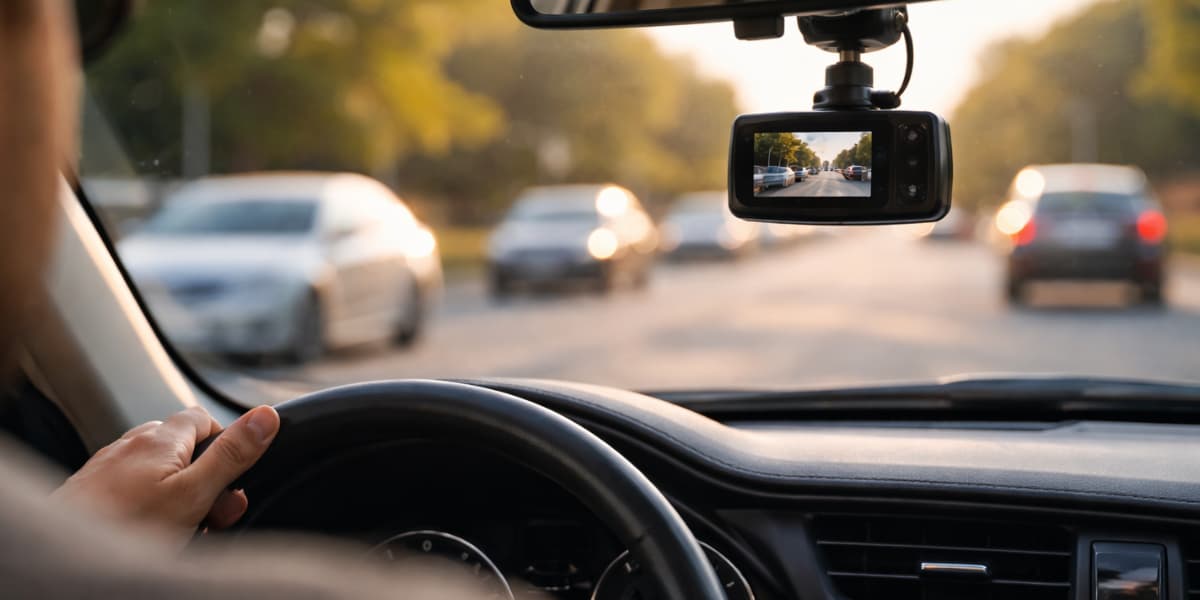
Dash cam, also called a dashboard camera, is a compact video recording device installed inside a vehicle to capture road activity. Most units are mounted on the windshield or dashboard and begin recording while the car is in use.
Front-facing coverage is the most common setup, although many models also record the rear of the car or the cabin interior. In accidents, traffic disputes, or unexpected incidents, that footage often serves as a silent witness.
For everyday drivers, the main value lies in having a visual record instead of depending only on memory or conflicting statements. Because of that role, dash cams have become increasingly common in personal cars, fleet vehicles, and rideshare transportation.
How Does a Dash Cam Work?
Built-in camera sensors allow a dash cam to record video whenever power is supplied to the unit. Power usually comes from the car’s ignition, a USB port, a 12V outlet, or a hardwired connection.
Recorded footage is typically saved on a microSD card in short video segments. Once storage fills up, loop recording replaces the oldest clips with new ones so the camera can keep running continuously.
Sudden impacts can also trigger a G-sensor, which locks the relevant clip before it gets overwritten. In collisions or abrupt road events, that function helps preserve valuable evidence.
With the recording process explained, the next step is understanding which features make a dash cam more useful in daily driving.
What Are the Different Types of Dash Cams?
Dash cams vary based on coverage, purpose, and driving needs. Most differences come down to how many directions the camera records and what kind of vehicle it is built for.
1. Single-Channel Dash Cams
Front-only recording defines a single-channel dash cam. For drivers who mainly want basic accident documentation, this is often the simplest and most affordable option.
2. Dual-Channel Dash Cams
Front and rear coverage comes from a dual-channel dash cam. Rear-end collisions, parking incidents, and disputes involving vehicles behind you are easier to document with this setup.
3. Interior Dash Cams
Cabin-facing recording is added by interior dash cams. Rideshare drivers, taxi operators, and commercial fleets often prefer this type because inside-the-vehicle visibility matters in their daily operations.
4. Specialized Dash Cams
Some models are designed specifically for motorcycles, commercial trucks, or fleet systems with broader monitoring needs. Others focus on 4K video, wider viewing angles, or cloud-connected functionality.
Why Do Drivers Need a Dash Cam?
Dash cams help drivers record what happens on the road and reduce uncertainty after an incident. Clear video evidence makes it easier to understand events, protect against false claims, and respond more confidently when something goes wrong.
- Clear accident evidence: Video footage shows what happened before, during, and after a crash. A recorded view helps reduce disputes and provides stronger proof when details are unclear.
- Protection from false claims: Different people may describe the same incident in different ways after an accident. Dash cam footage helps replace guesswork with evidence that can be shared with insurers, police, or other parties involved.
- Better incident documentation: Dash cams are useful for more than major collisions. Road rage, reckless driving, parking lot damage, theft attempts, and other unexpected events are easier to document when recording is already active.
- More peace of mind: Daily driving feels less stressful when there is a reliable video record in place. That extra layer of protection helps drivers feel more prepared for unpredictable situations.
What Are the Main Benefits of Using a Dash Cam?
Visibility, accountability, and protection are some of the biggest reasons drivers install a dash cam. Instead of depending only on memory after an incident, you have recorded footage that helps explain what really happened.
- Clear accident evidence: A dash cam can capture lane position, traffic lights, road conditions, speed changes, and driver behavior. This makes it easier to understand the events leading up to a crash.
- Stronger insurance support: Recorded footage can help reduce confusion during a claim. It gives insurers a clearer view of the incident, which may help speed up the review process.
- Protection while parked: With parking mode, a dash cam can monitor your vehicle even when you are away. This can help record vandalism, break-in attempts, or hit-and-run damage.
- Better driving habits: Knowing a trip is being recorded often makes drivers more careful about speed, braking, and overall road behavior. This can be especially useful for family vehicles, company cars, and fleet drivers.
- More peace of mind: A dash cam is not only useful after an accident. It also gives drivers more confidence during everyday travel because there is always a record if something unexpected happens.
Together, these benefits show why dash cams are now seen as practical safety tools instead of optional add-ons.
Are Dash Cams Worth It for Everyday Drivers?
For many everyday drivers, the answer is yes. A single recording can save time, reduce stress, and strengthen a driver’s position during a dispute, which often justifies the cost of the device.
Frequent commuters, long-distance drivers, and people who park in public areas tend to gain the most obvious value. Even so, occasional drivers can still benefit because accidents, vandalism, and parking damage are never limited to high-mileage vehicles.
Real-world usefulness also depends on feature quality rather than on price alone. Strong video resolution, dependable storage, and solid low-light performance usually matter more than flashy marketing claims.
Choosing the right model is what determines whether the purchase feels worthwhile. For that reason, buying considerations should come right after understanding the product’s value.
Now that the purpose of a dash cam is clear, the next step is knowing what to look for before buying one.
What Should You Look for When Choosing a Dash Cam?
Smart dash cam choice depends more on practical use than marketing claims. The best option is usually the one that fits your driving routine, parking conditions, and budget.
Step 1: Start With Your Daily Needs
Think about how and where you use your vehicle most. Your driving habits, parking environment, and budget should guide every feature you prioritize.
Step 2: Check Video and Night Quality
Good video resolution helps capture license plates, road signs, and other important details. Strong night performance also matters because many incidents happen in low-light conditions.
Step 3: Look at Road Coverage
Field of view affects how much of the road the camera can capture. A wider angle is useful, but the footage still needs to stay clear and usable.
Step 4: Confirm Recording Support
Reliable microSD support and loop recording are important for daily use. These features help the dash cam record consistently without creating storage problems.
Step 5: Decide on Coverage and Parking Features
Some drivers only need front recording, while others may need rear or cabin coverage too. Parking mode is also important for vehicles parked on the street or in public areas.
Step 6: Consider Setup and Access
Plug-and-play models are easier to install, while hardwired systems usually offer cleaner setup and better parking surveillance. GPS and app access can also make trip tracking, footage review, and clip access easier.
FAQs
Do dash cams record all the time?
Most dash cams record whenever the vehicle is powered on. Parking mode can also allow recording while the car is parked if the system has the right power setup.
Can a dash cam work when the car is parked?
Yes, many models can monitor the vehicle while parked. Hardwiring or another stable power source is usually needed to keep the camera active during that time.
How much footage can a dash cam store?
Storage capacity depends on the memory card size, video resolution, and recording settings. Loop recording helps manage available space automatically by deleting the oldest non-locked clips.
Are dash cams legal to use?
Legality depends on local rules related to windshield placement, audio recording, and privacy. Checking regional laws before installation is always the safest approach.
Do dash cams reduce insurance costs?
Some insurers may view dash cam use positively, but discounts are not always guaranteed. In most cases, the stronger benefit comes from supporting claims rather than lowering premiums directly.