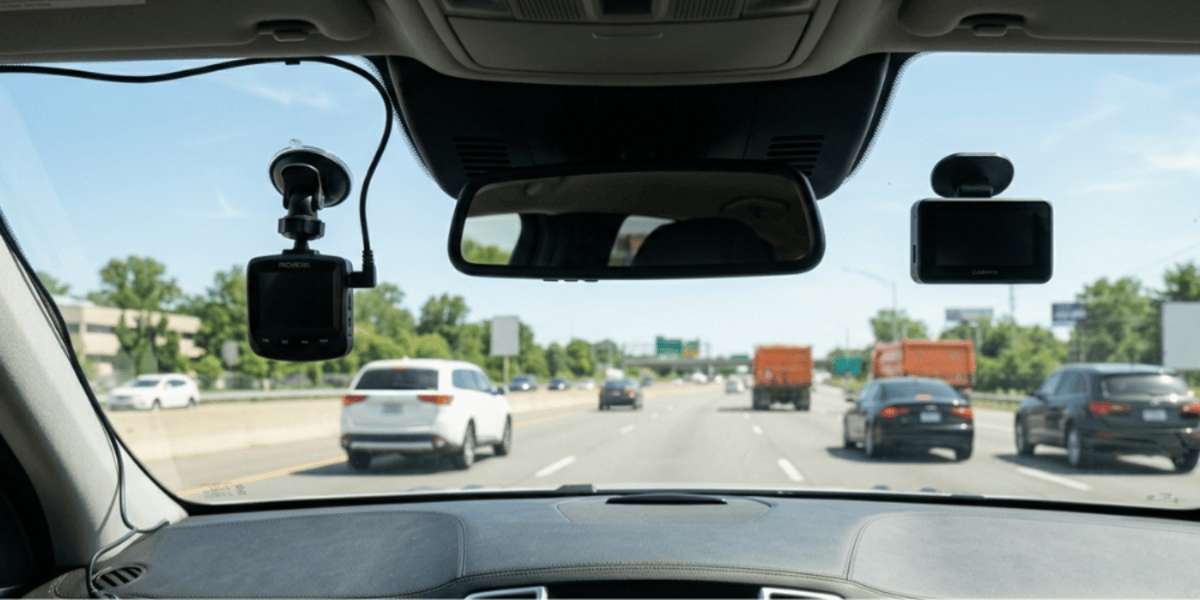

Dash cam technology plays an important role in improving safety and monitoring across fleet operations. Different systems offer different installation methods and performance levels, making selection an important decision for fleet operators.
Two common options include wired and wireless dash cams, each offering unique advantages depending on operational needs. Understanding how both systems function helps in selecting a suitable option for long-term use.
Clear comparison between both types supports better decision-making and ensures system aligns with safety and monitoring requirements across daily operations.
What Are Wired Dash Cams
Wired dash cams connect directly to vehicle power source through internal wiring. Such setup ensures continuous power supply and stable performance during long driving hours.
Installation usually involves connecting device to vehicle fuse box or power system. Once installed, system operates automatically without need for frequent adjustments.
Reliable connection ensures uninterrupted recording, making such systems suitable for fleets that require constant monitoring across operations.
What Are Wireless Dash Cams
Wireless dash cams operate using battery power or simple plug-in connections without complex wiring. Such systems focus on easy installation and flexible placement inside vehicle.
Setup process remains simple, allowing quick deployment across multiple vehicles. Drivers can install and start using system without technical assistance.
Wireless connectivity often supports data transfer through mobile apps or cloud platforms, improving access to recorded footage.
Key Differences Between Wired and Wireless Dash Cams
Choosing between wired and wireless dash cams depends on how a fleet operates and what level of control remains necessary during daily use. Each system offers different advantages in terms of setup, performance, and flexibility.
| Feature | Wired Dash Cams | Wireless Dash Cams |
| Power Source | Connected to vehicle | Battery or plug-in power |
| Installation | Requires setup effort | Quick and easy setup |
| Recording Stability | Continuous recording | Depends on battery |
| Flexibility | Fixed after installation | Easy to move and adjust |
| Data Access | System or manual access | App or cloud-based access |
Advantages of Wired Dash Cams
- Continuous Power Supply : Supports long recording without interruption
- Stable Performance : Reduces risk of shutdown during trips
- Suitable for Long Routes : Ideal for fleets with extended driving hours
- Less Maintenance : No need for frequent charging, reliable operation makes wired systems suitable for fleets that require consistent monitoring without interruptions.
Disadvantages of Wireless Dash Cams
- Easy Installation : No complex wiring required
- Portability : Can be moved between vehicles easily
- Quick Setup : Suitable for immediate use without technical effort
- App Connectivity : Supports remote access to recordings, flexible design makes wireless systems suitable for smaller fleets or temporary setups.
When to Choose Wired or Wireless Dash Cams
Choice depends on operational priorities and driving patterns. Fleets that operate for long hours and require continuous recording benefit more from wired systems due to stable power supply.
Wireless systems suit operations that require flexibility and quick setup across multiple vehicles. Such option works well for short-term use or smaller fleets.
Balanced decision should consider factors such as budget, installation preference, and level of monitoring required across operations.
Which Option Is Better for Fleet Use
Selection depends on operational needs and usage patterns. Fleets that require continuous recording and long driving hours often benefit from wired systems due to stable performance.
Wireless systems suit fleets that prefer flexibility and quick installation. Such systems work well for short trips or smaller operations.
Balanced decision depends on factors such as fleet size, budget, and level of monitoring required across operations.
Final Thoughts
Wired and wireless dash cams both offer valuable features for fleet monitoring and safety. Each option provides unique benefits depending on operational requirements.
Understanding differences helps fleet operators choose suitable system for long-term use. Proper selection improves safety, visibility, and overall efficiency.
Consistent use of suitable dash cam systems supports better control and strengthens fleet operations over time.