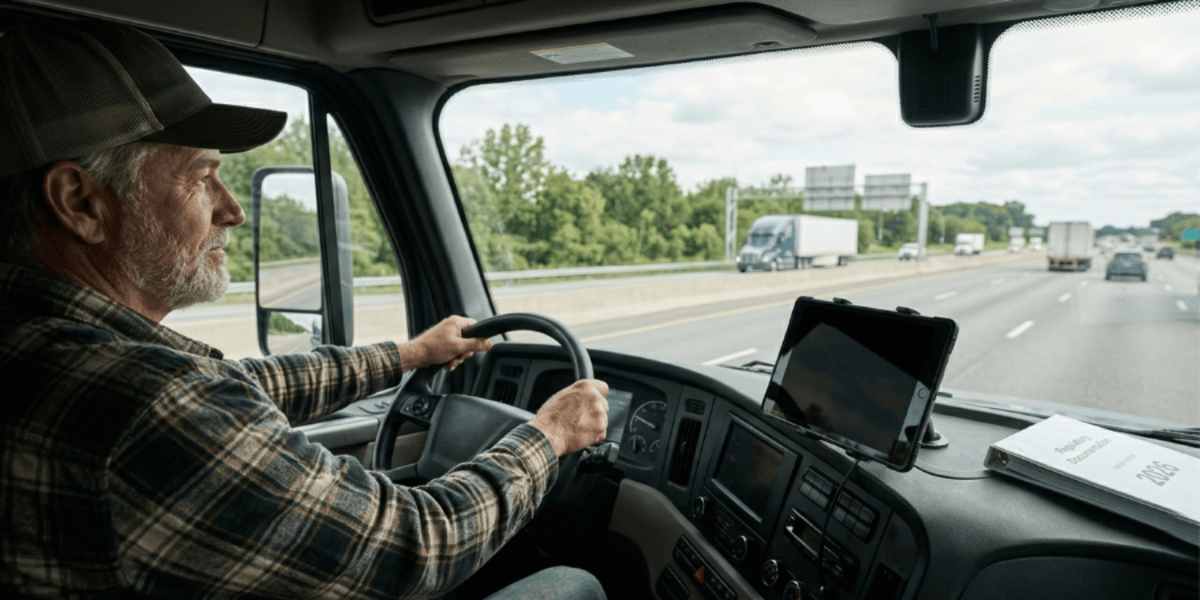
What Are ELD Exemptions
ELD exemptions are situations where drivers do not need electronic logging devices for recording hours of service. FMCSA provides clear rules that define eligibility under federal guidelines.
Eligibility depends on factors such as vehicle model year, driving distance, type of operation, and frequency of long-haul trips, factor determines whether electronic logging remains mandatory.
Proper understanding of exemption rules ensures accurate documentation and reduces chances of violations during roadside inspections.
Why ELD Exemptions Exist
ELD exemptions exist to offer flexibility in operations where continuous electronic tracking is not practical. Short-haul routes, seasonal transport work, and older vehicles fall into categories where full-time electronic monitoring may not be necessary.
Reduce reliance on digital systems, lowering operational costs and easing documentation processes. Such cases, approved manual records continue to serve as a valid method of compliance.
At the same time, exemptions are defined within strict regulatory limits. Incorrect use can result in penalties and compliance issues, making proper understanding and application essential for fleet operations.
What Vehicles Are Exempt from ELD
Certain vehicles are exempt from ELD requirements based on age, usage, and operational conditions. These exemptions apply where electronic tracking is not practical or required under regulatory guidelines. Eligibility depends on both vehicle type and how it is used within defined limits.
- Pre-2000 Engines: Vehicles with engines manufactured before model year 2000 due to system incompatibility
- Driveaway-Towaway: Operations where the transported vehicle itself serves as cargo
- Agricultural Transport: Farm vehicles operating during seasonal periods within approved distance limits
- Short-Haul Operations: Vehicles running within a fixed radius from their reporting location under exemption rules
Who Is Exempt from ELD Requirements
Eligibility for ELD exemption depends on work patterns, distance limits, and duty conditions. Specific categories fall outside mandatory electronic logging when operations stay within defined limits. Proper application ensures compliance and avoids violations.
Short-Haul Operations
Operating within a 150 air-mile radius from the reporting location may qualify under this category. Duty hour limits and return conditions must be met. Crossing these limits removes exemption status.
Limited Paper Log Usage
Using paper logs for a restricted number of days within a 30-day period falls under exemption criteria. Usage must remain within the allowed threshold. Exceeding the limit requires ELD use.
Agricultural Transport
Agricultural movement qualifies during approved seasonal periods. Travel must stay within defined distance limits. Movement beyond these limits requires standard logging.
Exempt Vehicle Use
Operating vehicles that meet exemption criteria also falls under these rules. Eligibility depends on both vehicle type and operational use. Non-compliance leads to penalties.
ELD Exemption Tips for Compliance and Eligibility
Different exemption scenarios depend on distance limits, vehicle conditions, and operational patterns across transport activities, situation requires careful evaluation of eligibility along with accurate recordkeeping practices. Following practical tips helps maintain compliance and reduces risk during inspections or audits.
1. Monitor Short Haul Distance Limits
Track daily driving radius within a 150 air-mile limit from reporting location. Maintain work schedule within a 14-hour duty window.
Keep accurate time records including start time, end time, and total hours worked. Consistent tracking prevents loss of eligibility.
2. Verify Driveaway Towaway Conditions
Confirm transported vehicle qualifies as cargo before claiming exemption. Avoid carrying additional freight during movement.
Recheck load status before trip to prevent compliance issues during inspections.
3. Check Vehicle Model Year Eligibility
Verify engine model year before applying exemption eligibility. Engines manufactured before model year 2000 qualify under such conditions.
Maintain supporting documents ready during inspections to validate exemption status.
4. Track Limited Usage Days
Maintain record of duty status usage across 30-day period. Ensure recorded days remain within allowed limit.
Switch to electronic logging devices immediately after exceeding threshold to avoid penalties.
5. Follow Agricultural Season Guidelines
Confirm seasonal timelines based on state-specific agricultural schedules. Ensure transport occurs within approved periods.
Track distance within allowed radius during seasonal operations to maintain exemption eligibility.
Key Compliance Requirements
Compliance under ELD exemptions requires consistent documentation and adherence to defined limits. Records must support operational claims during inspections. Gaps in tracking or documentation increase risk exposure.
Recordkeeping
Accurate time records, duty logs, and supporting documents must remain updated. Information should be accessible during checks. Missing data leads to compliance issues.
Regulatory Awareness
Regular review of FMCSA guidelines helps maintain alignment with current rules. Limits and conditions must be clearly understood. Misinterpretation results in violations.
Internal Monitoring
Ongoing checks across operations help maintain compliance. Tracking usage patterns ensures rules are followed. Irregularities must be addressed quickly.
Training
Structured training improves understanding of exemption rules. Teams must stay informed about requirements and limits. Lack of knowledge increases penalty risk.
Final Thoughts
ELD exemptions provide flexibility across transport operations under defined conditions. Current 2026 guidelines follow existing FMCSA regulations, making awareness essential across compliance practices.
Proper knowledge of rules supports better decision-making and reduces operational risks, fleet operators benefit from staying informed about regulation updates.
Consistent documentation and awareness ensure smooth operations along with regulatory alignment.